|
|
|
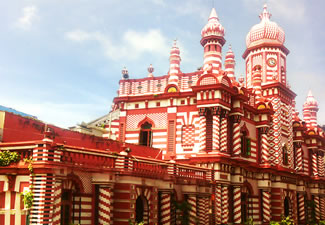
Jami-Ul-Alfar Mosque is a historic mosque in Colombo, Sri Lanka. It is located at Second Cross Street in Pettah. The mosque is a popular tourist site in the city. |
|
|
||
|
|
|
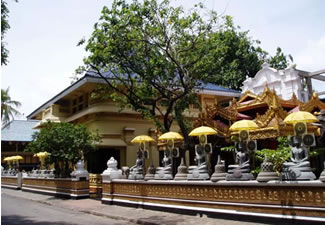
Gangaramaya Temple is one of the most important temples in Colombo, Sri Lanka, being a mix of modern architecture and cultural essence. |
|
|
||
|
|
|
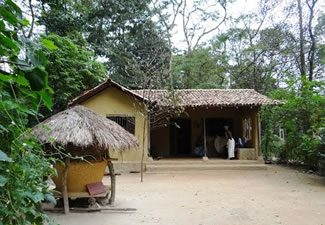
From the hustle and bustle of the City of Colombo, the commercial hub of the island you are now in the national Capital Sri Jayawardenepura, Kotte, once the seat of the kings and the centre of poets and artistes. Here, within the sight of the National Parliament lies ‘Apé Gama,’ a replica of the villages of yesteryear in Sri Lanka, where society was managed as an agro-economy with flourishing traditional industries and the inhabitants lived a simple life with contentment. |
|
|
||
|
|
|
ODEL is Sri Lanka's first example of a retailing company. Starting out as a single company, focusing on the retail garment trade, ODEL has over the years developed and become the first department store in Sri Lanka.
|
|
|
||
|
|
|
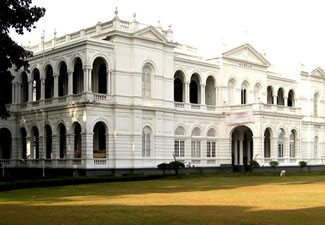
The Colombo Museum as it was called at the beginning was established on 1st January 1877. It founder was Sir William Henry Gregory, the British Governor of Ceylon (Sri Lanka) at the time. The Royal Asiatic Society (CB) was instrumental in bringing to the notice of Gregory on his appointment as Governor in 1872 the need for a public museum with much difficulty the approval of the legislative council was obtained within a year. The Architect of the Public Works Department, J.G. Smither was able to prepare the plans for new structure on Italian architectural style. The construction was completed in 1876 and the Museum commenced it functions in the following year. |
|
|
||
|
|
|
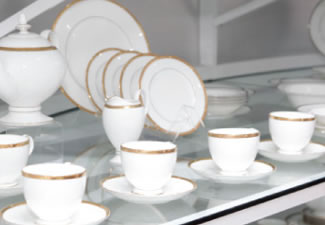
Behind the secret of perfection in a product unfolds the legacy of an exceptional history. The establishment of a factory in Nippon Toke, Nagoya, Japan in 1904 was the birth of a giant in the global ceramic industry. Founded by Baron Ichizaemon Morimura and his colleagues, it is known today as Noritake. |
|
|
||
|
|
|
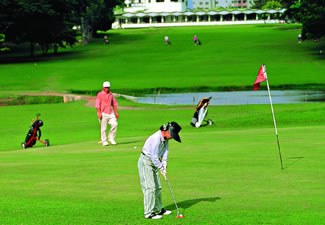
The 130 year old Royal Colombo Golf Club: |
|
|
||
|
|
|
|
|
|
|
|
February 24-26, 2016 | BMICH, Colombo
Quick info Links